
Beyond Traditional Apartments: How Unused Buildings Are Becoming the Future of Multifamily Living
As housing demand continues to grow across the country, developers are looking beyond traditional apartment construction to create new places for people to live. One of the most exciting trends in multifamily real estate is adaptive reuse—the process of transforming existing buildings into residential communities.
From former schools and warehouses to hotels, office buildings, and even historic churches, properties that once served entirely different purposes are being reimagined as modern apartment homes. These conversions are helping communities address housing shortages while giving underutilized buildings a new purpose.
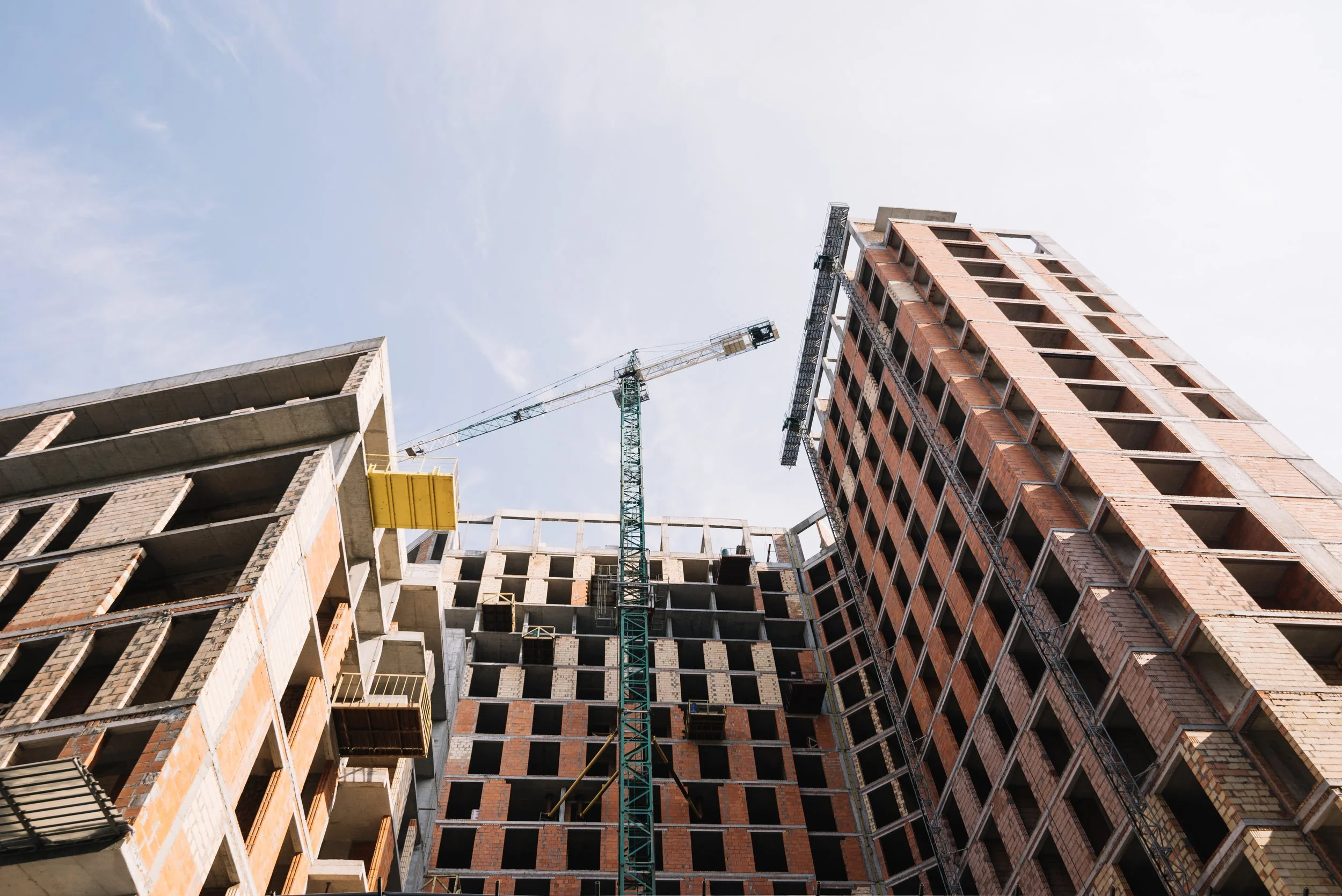
Why Adaptive Reuse Is Gaining Momentum
In recent years, changing workplace trends, evolving consumer needs, and increasing construction costs have made adaptive reuse a more attractive option for developers. Many office buildings and commercial properties have experienced higher vacancy rates, creating opportunities to convert these spaces into much-needed housing.
Rather than demolishing a building and starting from scratch, developers can preserve much of the existing structure while renovating the interior to meet modern residential standards. This approach often saves materials, reduces construction waste, and revitalizes neighborhoods with buildings that may have otherwise remained vacant.
More Than Just Office Conversions
While office-to-apartment projects often make headlines, adaptive reuse extends far beyond office buildings. Across the country, developers have successfully transformed a wide variety of properties into multifamily communities, including:
Historic schools converted into loft-style apartments.
Warehouses transformed into industrial-inspired living spaces with high ceilings and open floor plans.
Hotels redesigned into apartments that already feature layouts well suited for residential living.
Former factories converted into mixed-use communities that combine residential, retail, and recreational spaces.
Religious buildings and other historic landmarks preserved while providing unique housing opportunities.
These projects offer residents distinctive living environments that often retain original architectural details, giving each community its own character and identity.
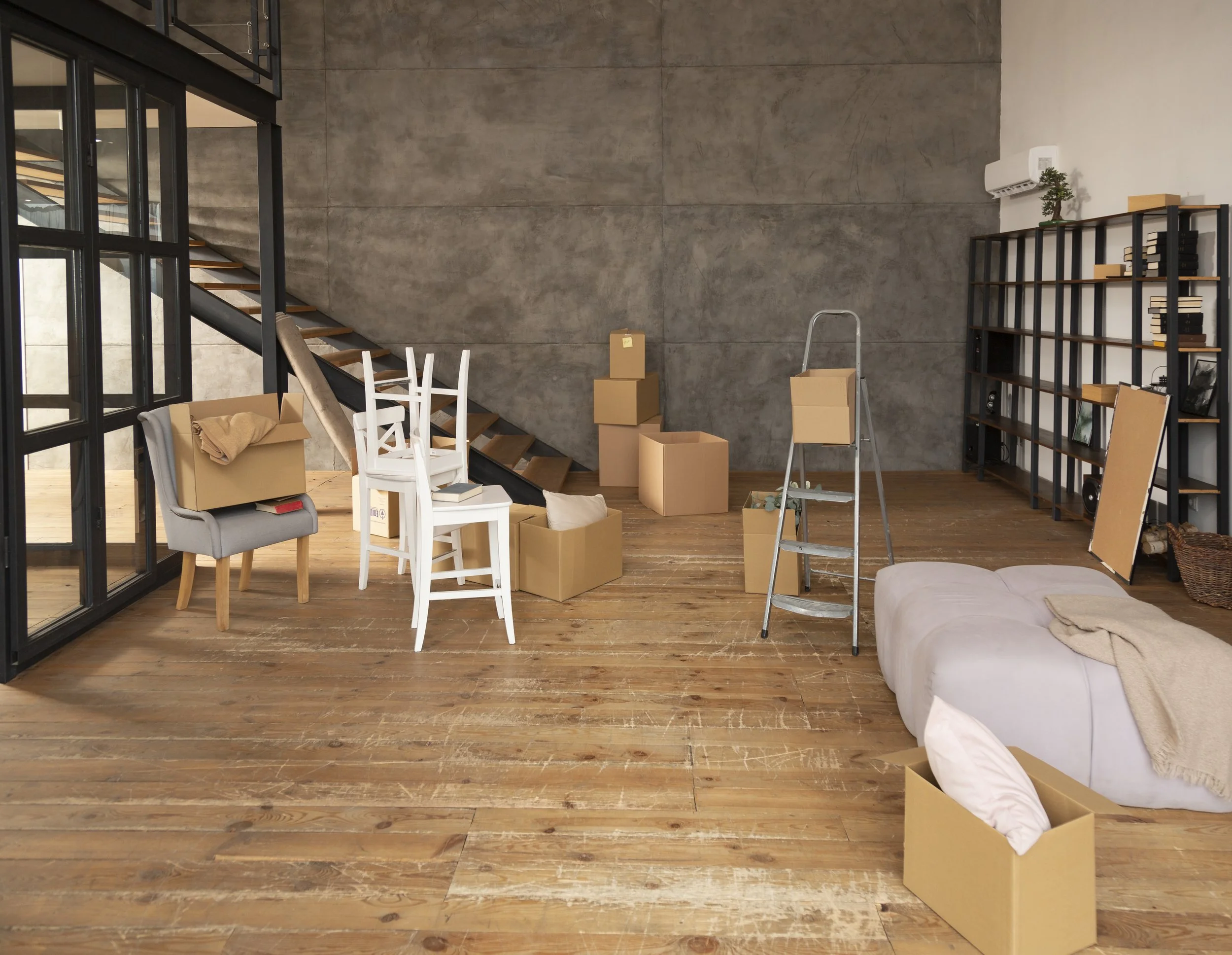
Benefits for Communities
Adaptive reuse offers advantages that extend well beyond the property itself.
By bringing vacant buildings back into productive use, communities can reduce neighborhood blight, support local businesses, and increase housing options without expanding development into undeveloped land. Many of these buildings are already located near public transportation, employment centers, restaurants, and entertainment, making them attractive places to live.
Repurposing existing structures can also preserve local history by maintaining architecturally significant buildings that might otherwise face demolition.
The Challenges Behind the Transformation
Although adaptive reuse offers many benefits, these projects require careful planning.
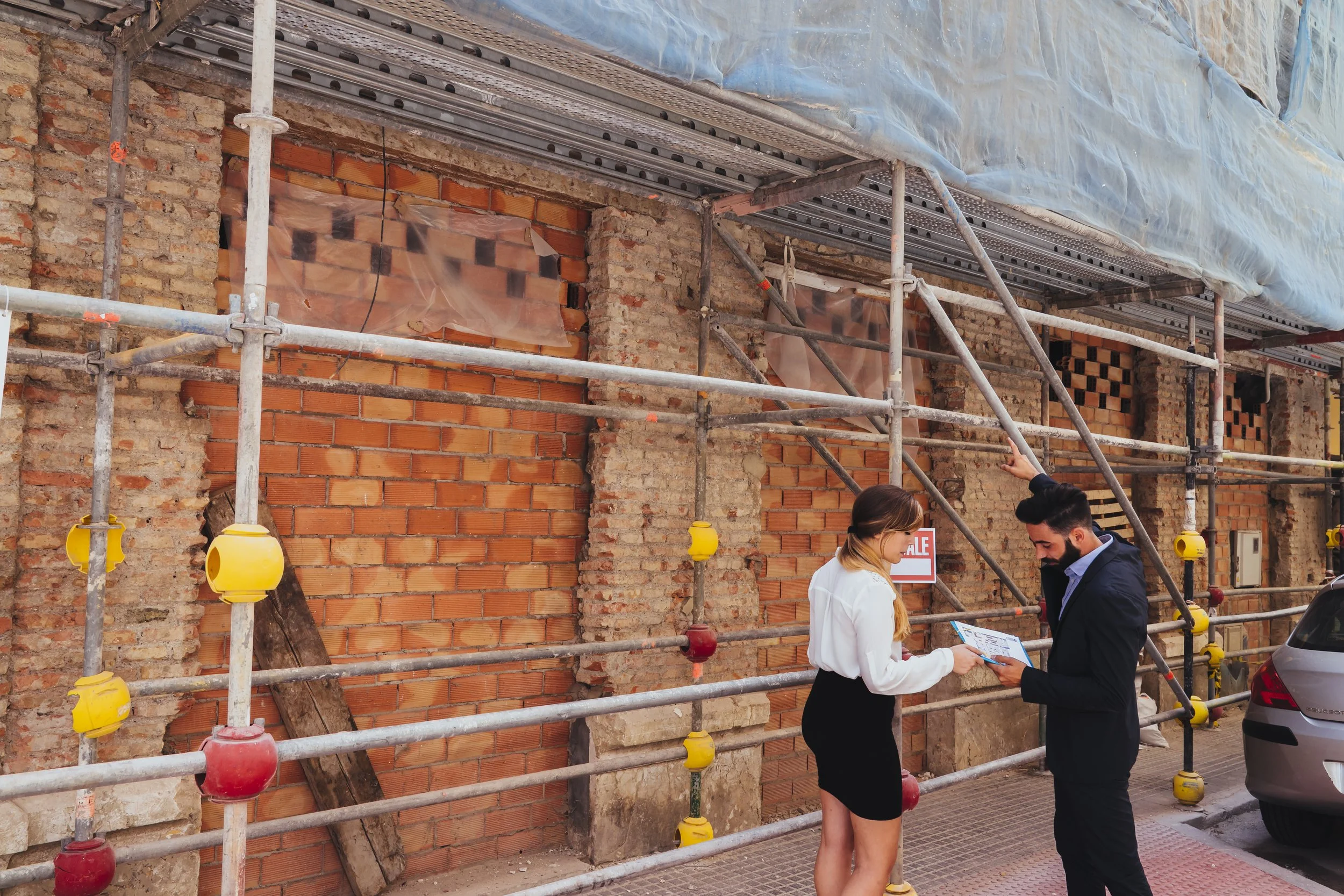
Older buildings may need significant upgrades to plumbing, electrical systems, HVAC, accessibility, and fire safety to meet today's residential building codes. Floor layouts designed for offices or industrial use may also require major structural changes to create functional apartment homes.
Zoning regulations, permitting requirements, and historic preservation guidelines can also add complexity to the development process. Every building presents a unique set of opportunities and challenges, making thorough due diligence essential before a project begins.
What This Means for the Future of Multifamily Housing
As cities continue searching for ways to expand housing while making better use of existing infrastructure, adaptive reuse is expected to remain an important part of multifamily development.
Not every vacant building is a good candidate for conversion, but many offer tremendous potential when location, structure, and market demand align. These projects create housing, preserve community character, and demonstrate how creative thinking can solve modern real estate challenges.
For multifamily professionals, adaptive reuse represents more than a design trend—it reflects a broader shift toward finding innovative solutions that maximize existing assets while meeting the evolving needs of residents. As the industry continues to adapt, nontraditional living spaces will likely play an increasingly important role in shaping the future of apartment communities.