
7 Sustainability Trends Multifamily Property Owners Can’t Ignore
Sustainability in real estate is quickly becoming a business imperative. Multifamily property owners are increasingly embracing green practices, not just to meet growing regulatory requirements, but to reduce operating costs, increase tenant satisfaction, and boost long-term asset value.
Understanding the latest sustainability trends can help you stay competitive, attract eco-conscious renters, and improve your bottom line.
Here are the key sustainability trends multifamily property owners need to watch:
1. Energy Efficiency Upgrades
One of the most cost-effective sustainability strategies is improving energy efficiency. Many multifamily owners are investing in:
LED lighting retrofits
High-efficiency HVAC systems
Smart thermostats and occupancy sensors
Energy-efficient appliances
These upgrades not only reduce utility costs but also appeal to environmentally conscious tenants. In many cases, they qualify for tax credits, rebates, or local incentive programs, improving ROI.

2. Green Building Certifications
Demand for certified green buildings is rising. Programs like LEED (Leadership in Energy and Environmental Design), ENERGY STAR, and National Green Building Standard (NGBS) offer structured frameworks for sustainable building operations.
Certifications can:
Enhance property value
Improve tenant retention
Provide market differentiation in competitive urban markets
Even if full certification isn't feasible, following these frameworks can guide better decision-making around renovations and capital improvements.
3. Water Conservation Initiatives
Water-saving strategies are gaining traction, particularly in drought-prone regions. Popular improvements include:
Low-flow fixtures
Smart irrigation systems
Drought-tolerant landscaping
Installing submeters for individual units also encourages tenants to monitor and reduce their own water use—a win for both conservation and cost recovery.
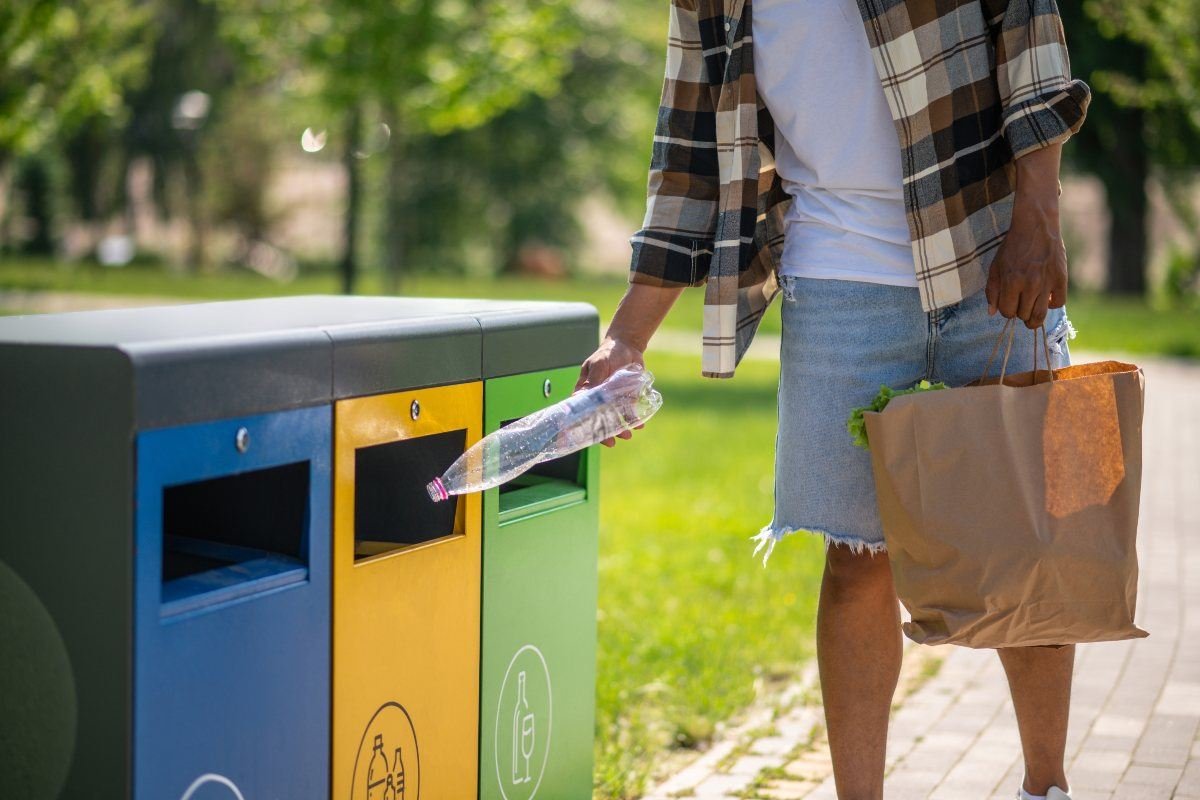
4. Waste Reduction and Recycling Programs
Effective waste management is becoming a key part of sustainability in multifamily housing. Many owners are implementing:
Comprehensive recycling and composting stations
Tenant education campaigns
Smart waste bins that monitor usage and pickup needs
Reducing landfill waste not only lowers costs but also aligns with city ordinances that are tightening rules around waste diversion and recycling compliance.
5. Renewable Energy Integration
Solar panels, battery storage, and even community solar programs are becoming more accessible and cost-effective for multifamily properties.
While upfront costs can be significant, long-term benefits include:
Lower energy bills
Backup power during outages
Improved environmental ratings
Some properties are also exploring solar leaseback or power purchase agreements (PPAs) to avoid large capital investments while still accessing clean energy.
6. Smart Technology for Sustainability
Smart building technologies aren’t just for convenience, they’re also tools for sustainability. AI-powered systems can help monitor energy use, detect inefficiencies, and automate energy-saving behaviors.
Popular tech solutions include:
Smart meters and dashboards
Leak detection sensors
Predictive maintenance systems
Centralized building management platforms
These tools enable data-driven decision-making that saves money and reduces environmental impact over time.

7. Tenant Engagement and ESG Reporting
Sustainability isn’t just about infrastructure, it’s also about people. More tenants, particularly Millennials and Gen Z renters, are looking for communities that align with their environmental values.
Providing recycling education, hosting green events, or sharing sustainability metrics can help create a culture of sustainability that drives engagement and retention.
Additionally, Environmental, Social, and Governance (ESG) reporting is becoming more common among institutional investors. Property owners who track and disclose their sustainability efforts are better positioned to attract investment and stay ahead of regulatory changes.
Final Thoughts
Sustainability is no longer optional, it’s a smart, strategic choice for multifamily property owners. As technology advances and regulations tighten, properties that adopt sustainable practices now will be better positioned for long-term success.